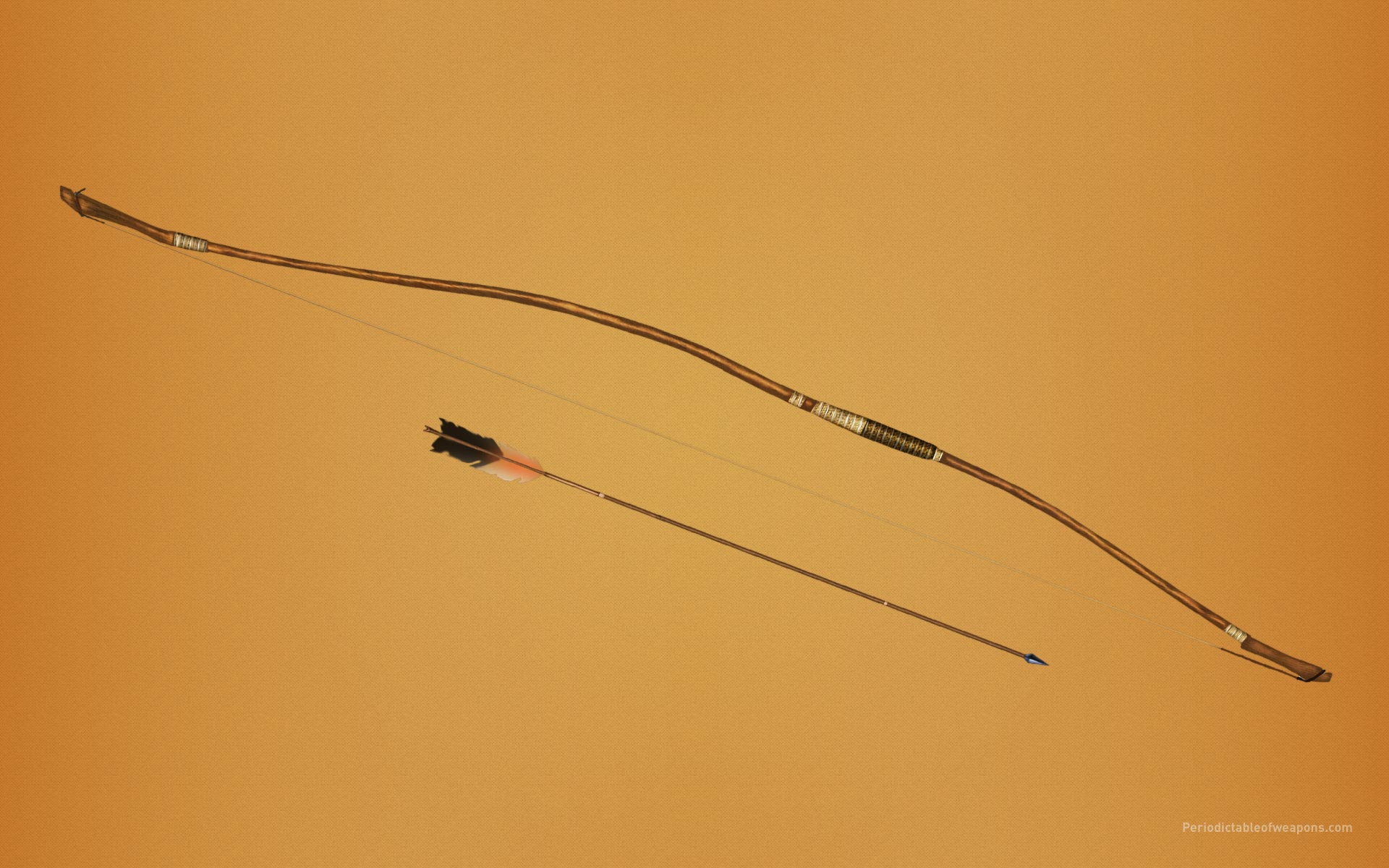
Yumi
Specifications
- Type
- Asymmetric Longbow
- Origin
- Japan
- Era
- Yayoi period, c. 300 BCE
- Notable Users
- Samurai, ashigaru, Heian-era mounted archers
- Epoch
- Bronze and Iron Ages
History
The yumi is the traditional Japanese longbow, distinctive for its extreme asymmetry — the grip sits roughly one-third from the bottom. Standing over two meters tall, it is among the largest bows ever used in warfare. The asymmetric design allows it to be shot from horseback and from behind cover while kneeling. The yumi was the primary weapon of the samurai class for centuries before the sword assumed cultural prominence. In early Japanese warfare, battles often began with formal archery exchanges between mounted champions.
Significance
Most people think of the katana when they think of samurai weapons. But the yumi came first and mattered more. Kyūdō, the way of the bow, is still practiced today. The asymmetric limb design looks strange until you try to shoot a normal bow from a horse or a kneeling position, and then it makes perfect sense.
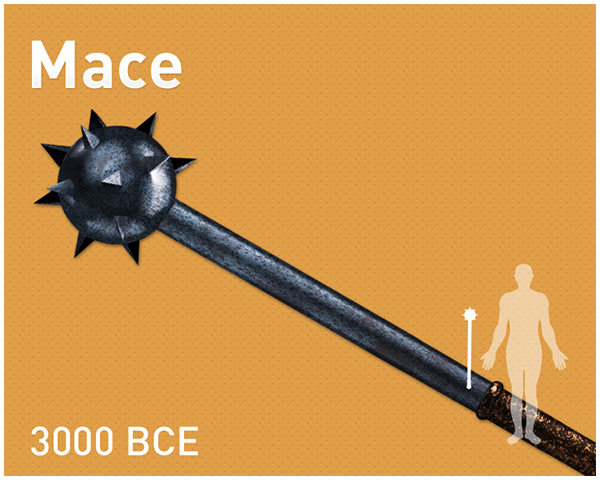
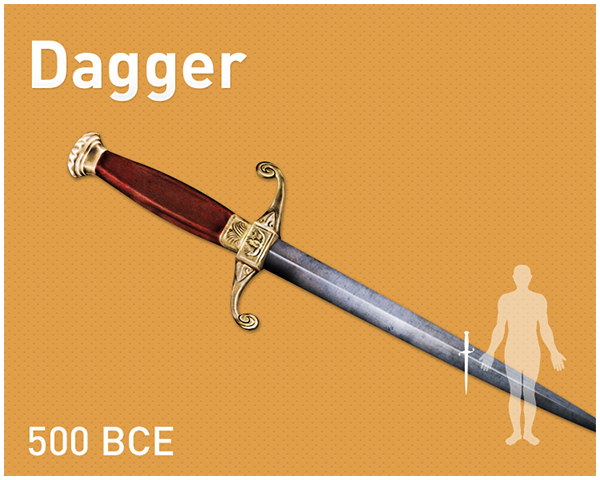
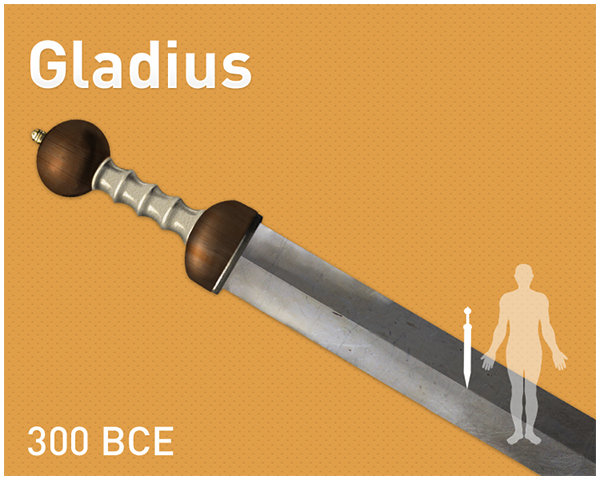
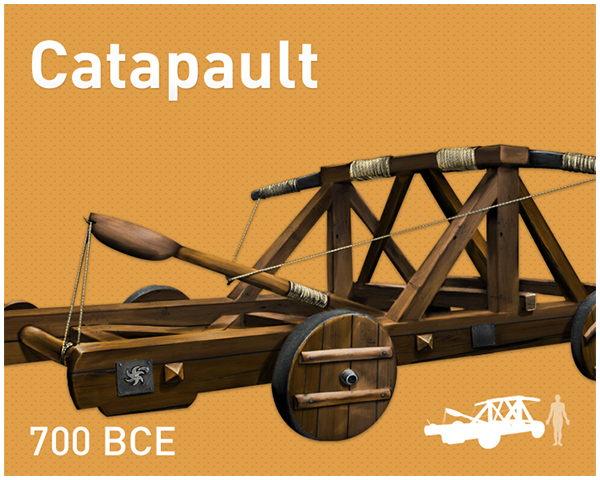
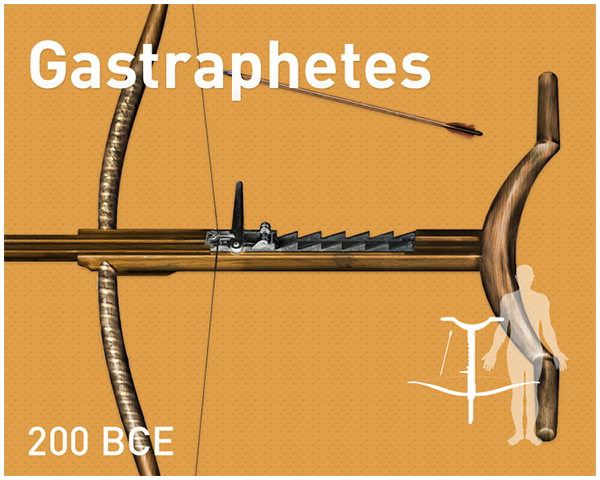
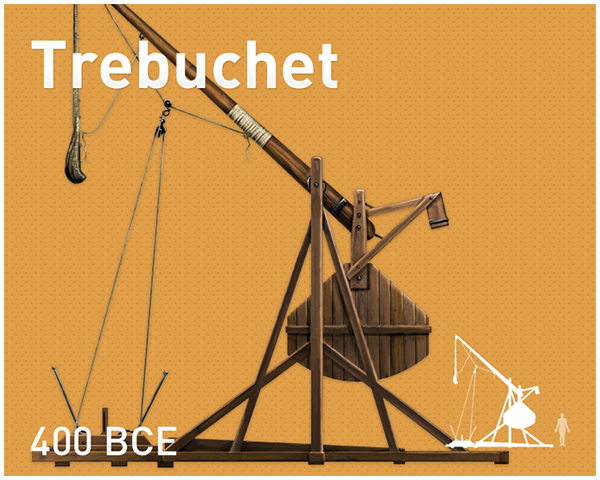
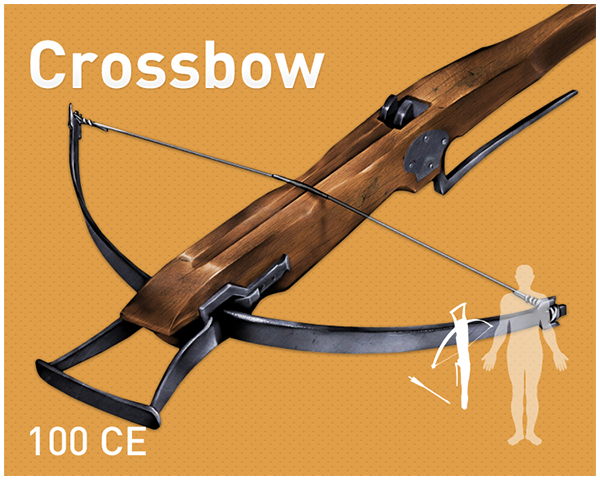
54 Weapons. Five Epochs. One Poster.
The Yumi is one of 8 weapons from the Bronze and Iron Ages featured on the poster.
Get the Poster