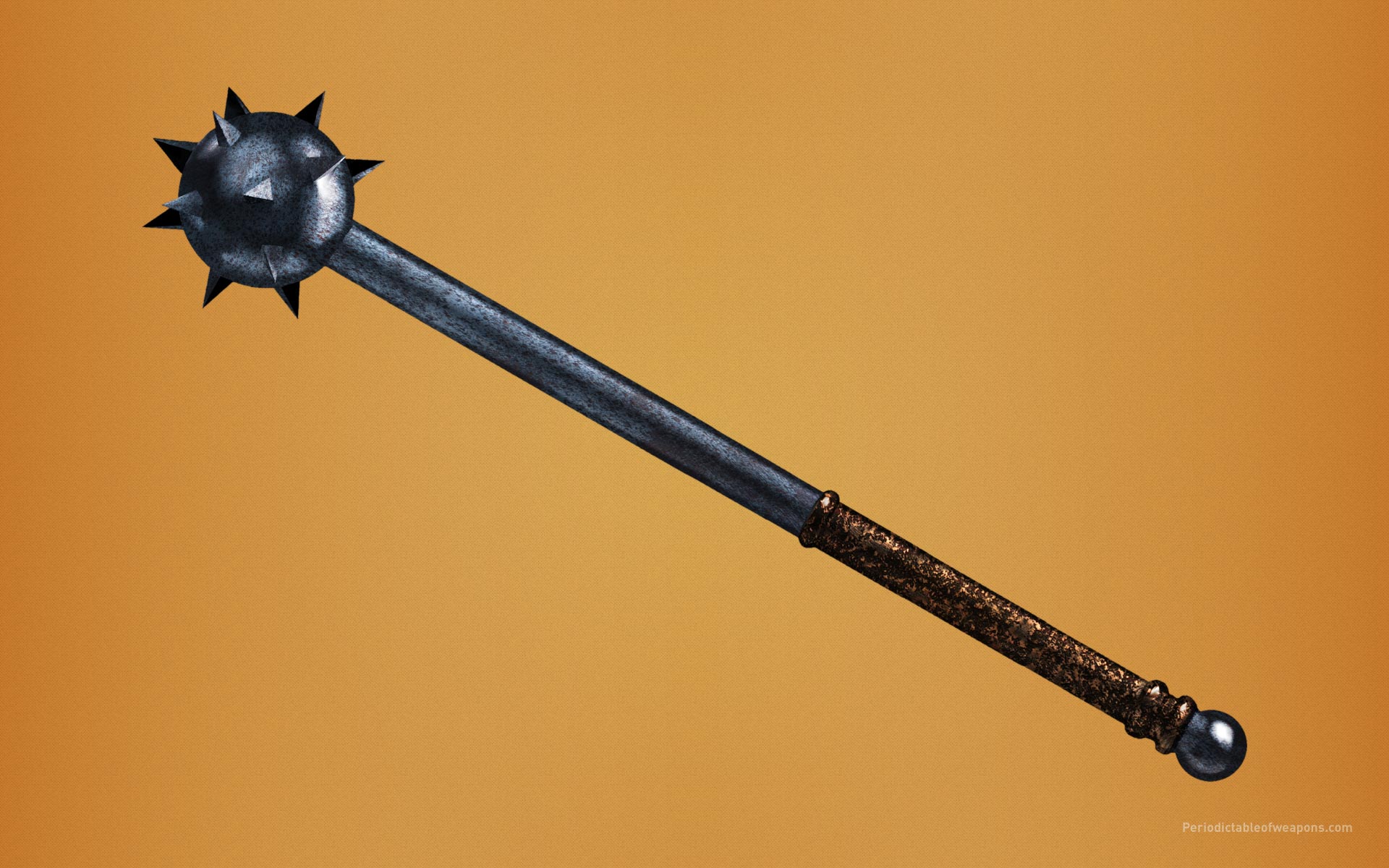
Mace
Specifications
- Type
- Bludgeon
- Origin
- Mesopotamia / Egypt
- Era
- c. 5000 BCE
- Notable Users
- Egyptian pharaohs, Sumerian infantry, medieval knights
- Epoch
- Bronze and Iron Ages
History
The mace evolved from the simple club through the addition of a heavy head — first stone, then copper, then bronze — mounted on a wooden shaft. The concentrated mass of the head multiplied impact force, making the mace devastating against armored and unarmored opponents alike. In ancient Egypt, the ceremonial mace became a symbol of royal authority; the Narmer Palette (c. 3100 BCE) depicts the pharaoh smiting his enemies with a mace. On the battlefield, the mace remained relevant for over four thousand years.
Significance
The mace established the principle of concentrated mass — focusing kinetic energy into a small striking surface. This concept drove the development of the flanged mace, the morning star, and the war hammer, each finding new ways to defeat ever-improving armor.
54 Weapons. Five Epochs. One Poster.
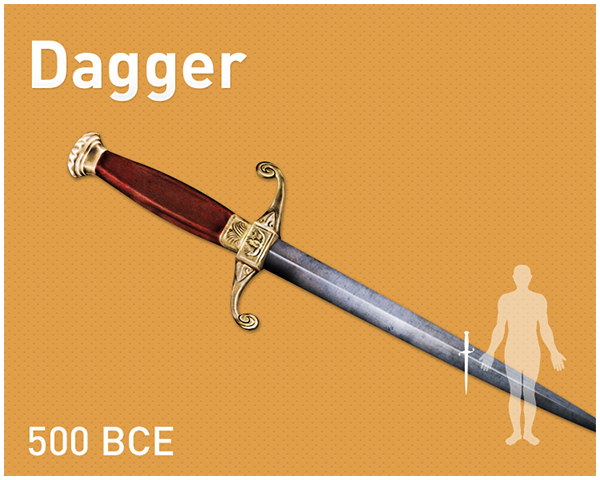
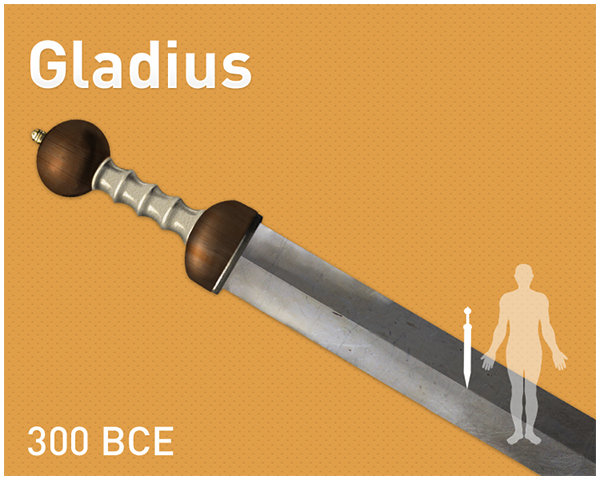
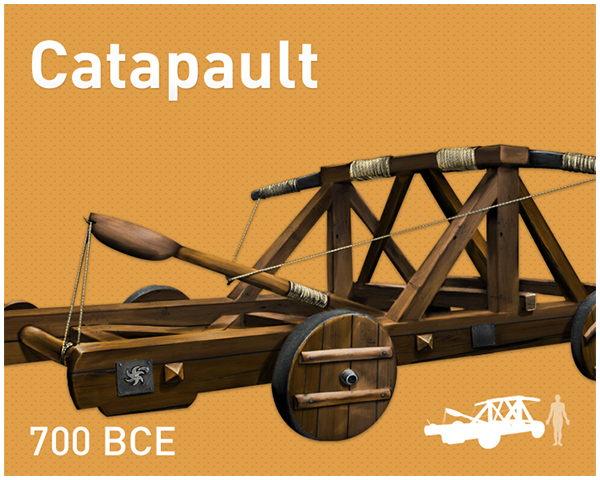
The Mace is one of 8 weapons from the Bronze and Iron Ages featured on the poster.
Get the Poster