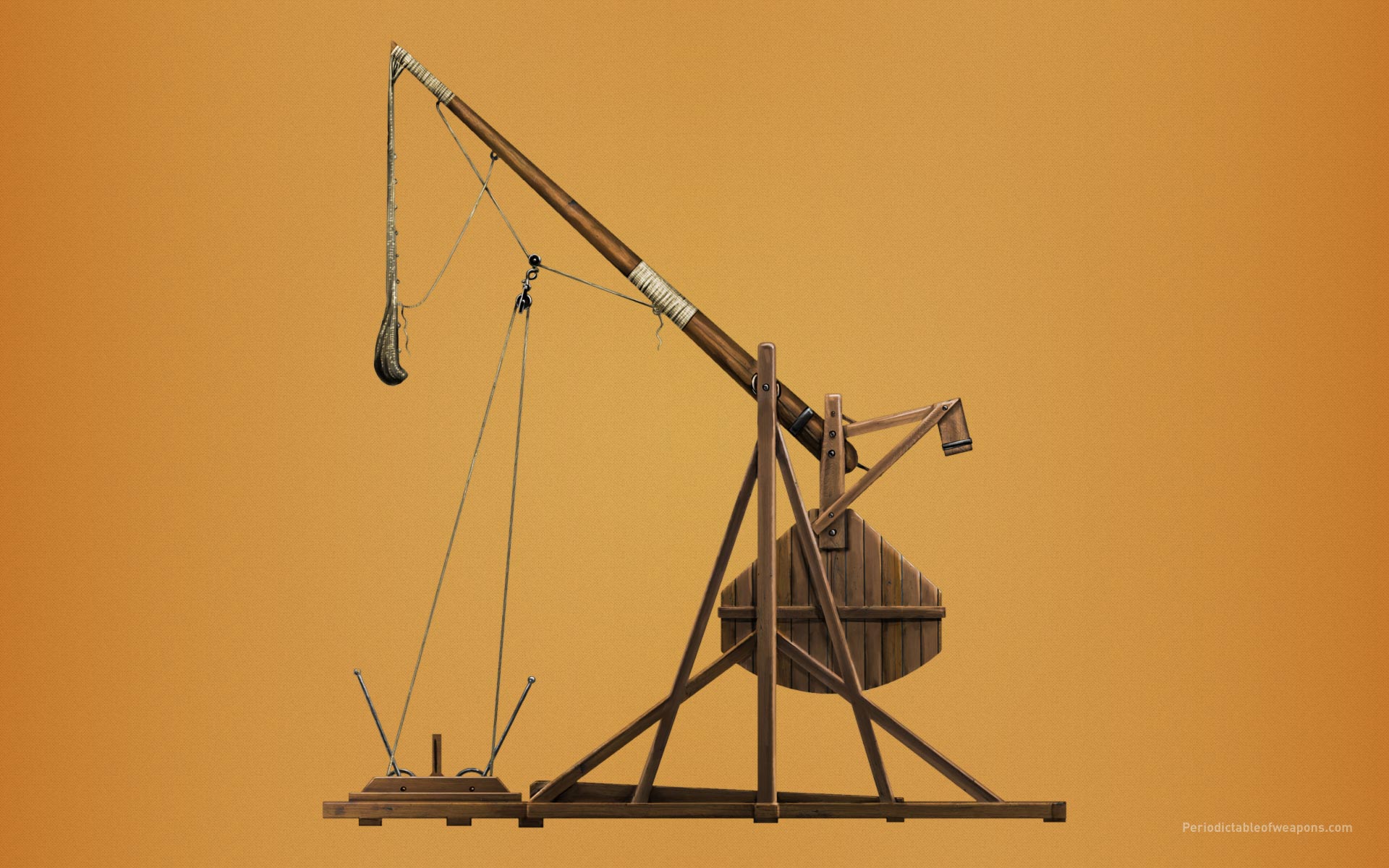
Trebuchet
Specifications
- Type
- Counterweight Siege Engine
- Origin
- China / Byzantine Empire / Medieval Europe
- Era
- c. 4th century BCE (traction), 12th century CE (counterweight)
- Notable Users
- Mongol armies, Crusader forces, medieval European kings
- Epoch
- Bronze and Iron Ages
History
The trebuchet is the most powerful mechanical siege weapon ever built. The counterweight variant, which appeared in the Mediterranean around the 12th century, uses a massive weight (up to 10 tonnes) on a pivoting beam to hurl projectiles weighing 100–150 kg over distances of 300 meters or more. Edward I’s ‘Warwolf,’ used at the siege of Stirling Castle in 1304, was so large that it required 30 wagons to transport. The trebuchet could demolish stone fortifications that had resisted battering rams and catapults for centuries.
Significance
The counterweight trebuchet was the ultimate expression of mechanical siege warfare — the last great innovation before gunpowder made stone castles obsolete. It proved that gravity itself could be weaponized.
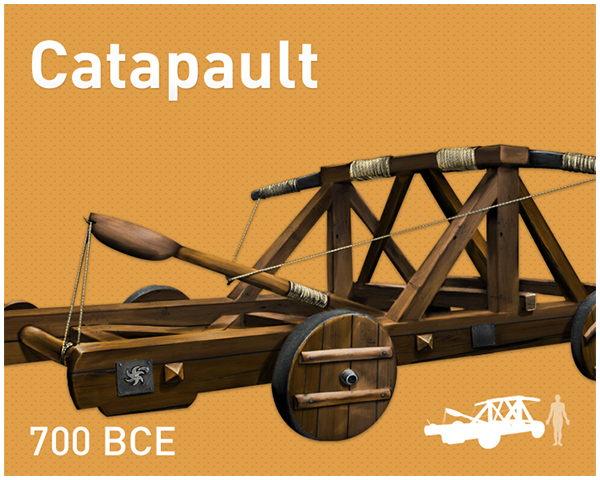
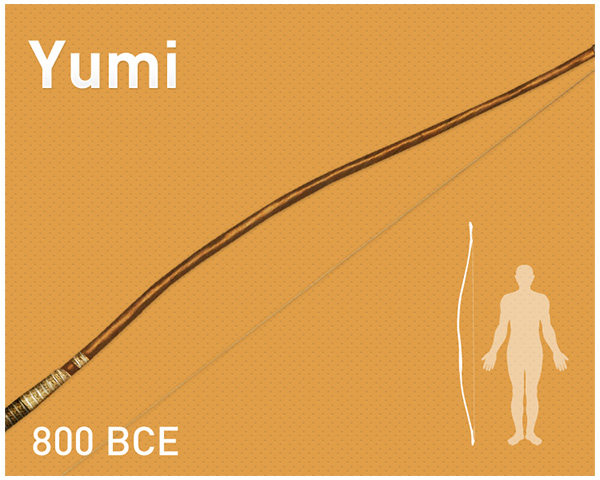
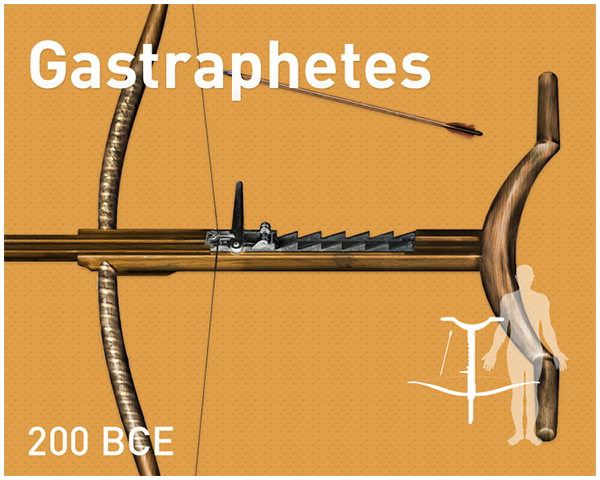
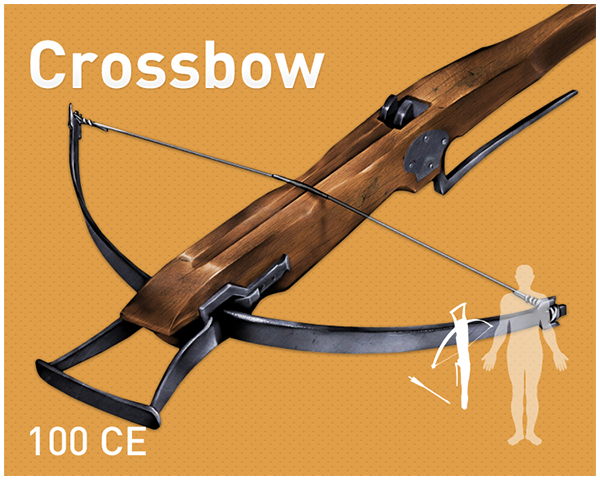
54 Weapons. Five Epochs. One Poster.
The Trebuchet is one of 8 weapons from the Bronze and Iron Ages featured on the poster.
Get the Poster