Gastraphetes
Specifications
- Type
- Mechanical Crossbow
- Origin
- Ancient Greece
- Era
- c. 5th century BCE
- Notable Users
- Greek siege engineers, Syracusan defenders
- Epoch
- Bronze and Iron Ages
History
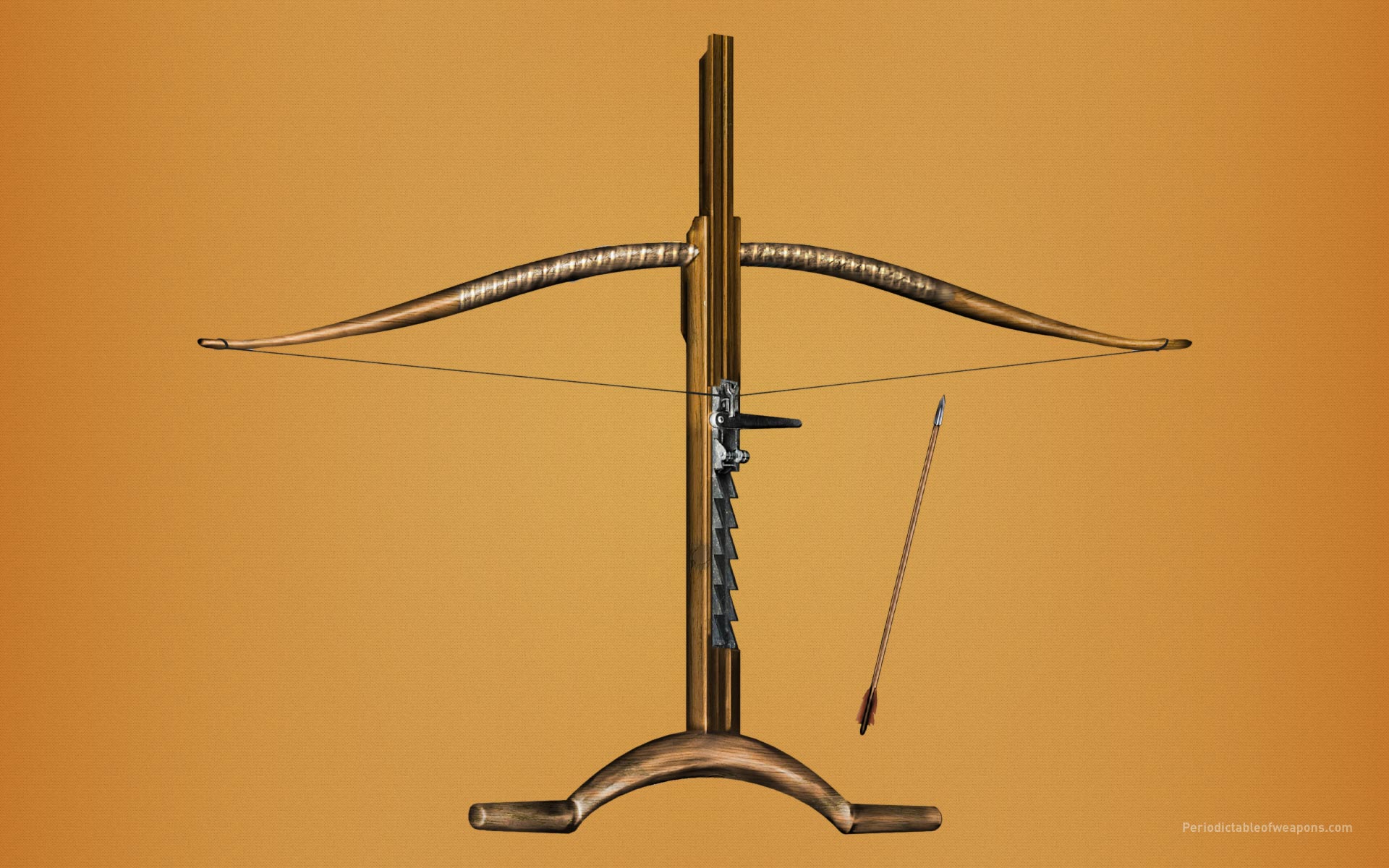
The gastraphetes, or ‘belly bow,’ was a large crossbow cocked by bracing the stock against the stomach and pushing down with the body’s weight. It was the first known mechanical hand-held projectile weapon — a decisive step beyond the simple bow. Described by Heron of Alexandria, it could launch bolts with far greater force than a conventional bow, enabling a single soldier to penetrate shields and armor at range. The gastraphetes was the direct ancestor of the Roman ballista and, ultimately, the medieval crossbow.
Significance
The gastraphetes is where mechanical projectile weapons begin. A human can only pull a bowstring so hard. The gastraphetes used body weight instead of arm strength, storing more energy than any archer could manage. That principle, mechanical energy replacing muscle, eventually leads to firearms.
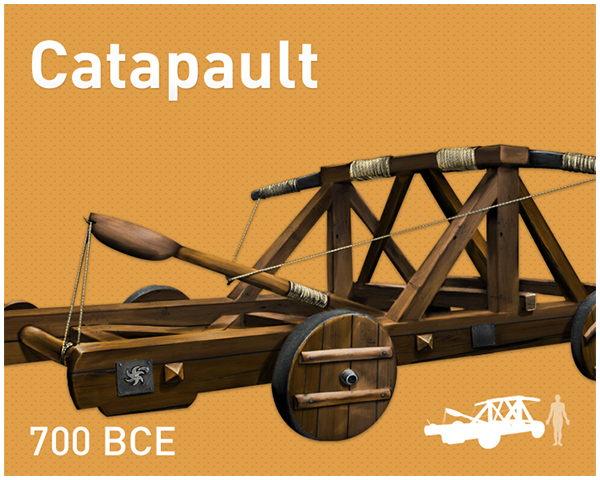
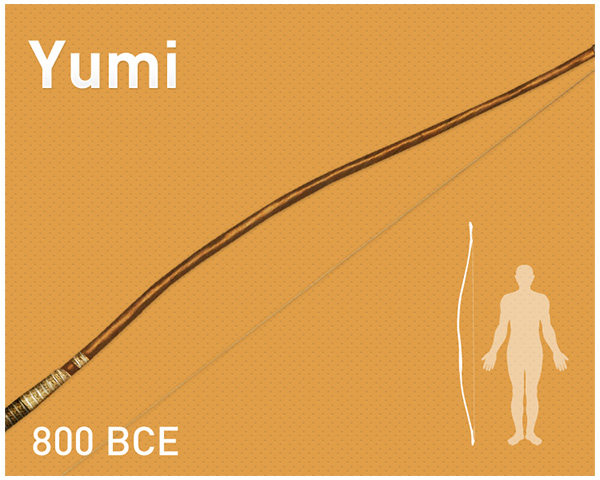
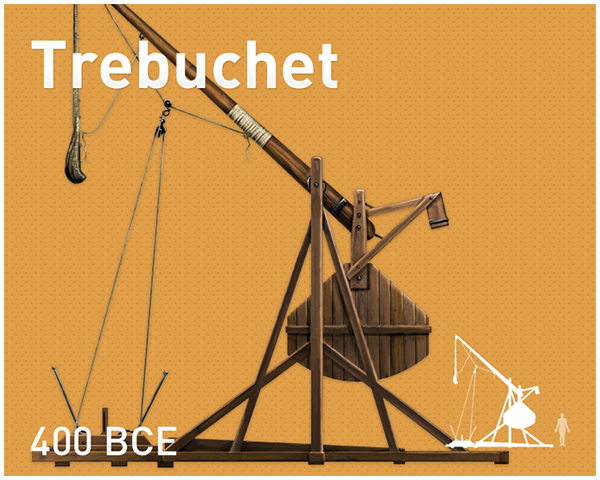
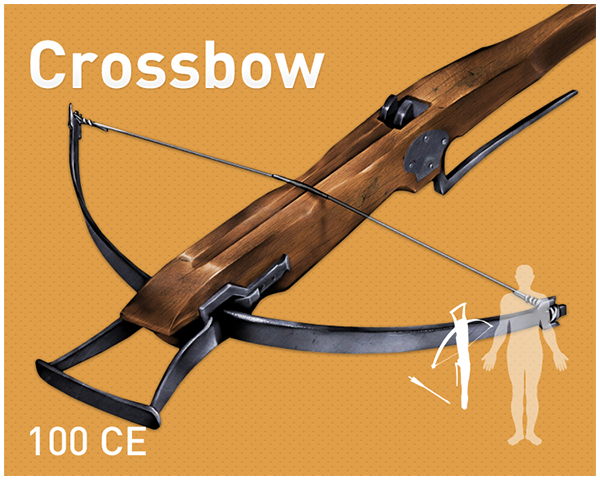
54 Weapons. Five Epochs. One Poster.
The Gastraphetes is one of 8 weapons from the Bronze and Iron Ages featured on the poster.
Get the Poster